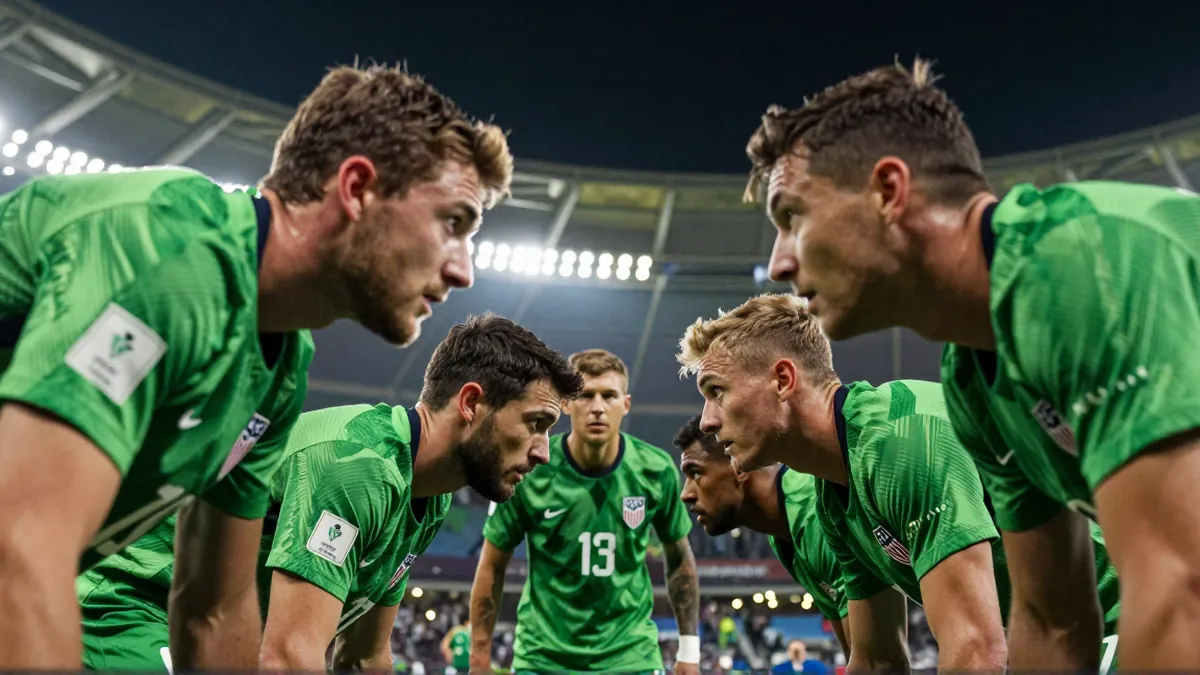
Australia heads into its Group D showdown with the United States on June 19, 2026, fielding a 5‑4‑1 formation that aims to build on the 2‑0 win over Turkey and keep its World Cup hopes alive.
Who is in Australia’s starting eleven?
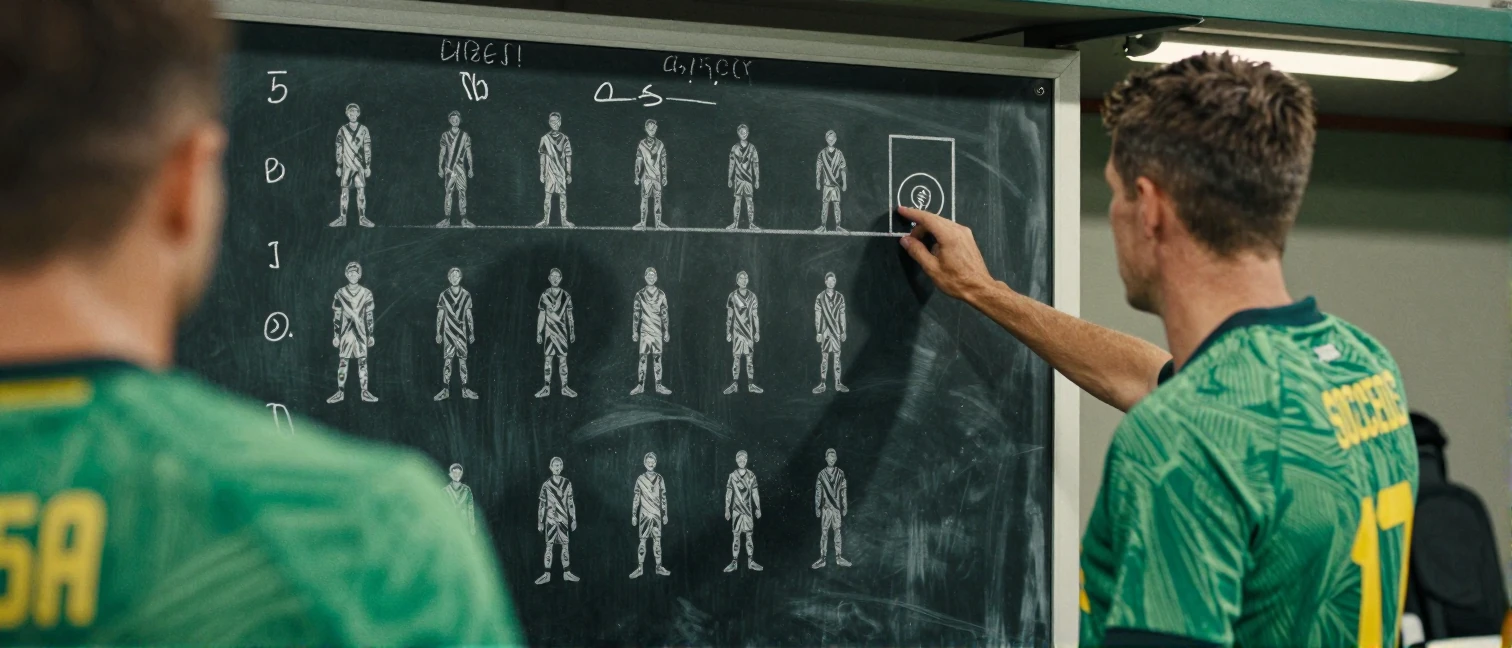
The squad lines up from right to left as follows: goalkeeper James Beach; defenders Marco Italiano, Luca Circati, James Souttar, Alec Burgess; midfield anchor Aaron Bos; central midfielders Mikael Velupillay, James O'Neill, Mason Okon‑Engstler; wing‑back Aaron Leckie; and striker Moussa Toure. The 5‑4‑1 shape gives the team defensive stability while allowing the lone forward to exploit any gaps left by the US attack.
How did Australia reach this point?
Australia opened the tournament with a 2‑0 victory over Turkey on June 12, then secured a 1‑0 win against Paraguay on June 25 to finish the group stage unbeaten. The side’s recent form, however, shows three consecutive losses before the tournament (LLLWW), highlighting a need for consistency. Their last official result before the World Cup was a 3‑0 defeat to Colombia on November 19, 2025.
| Statistic | Value |
|---|---|
| Last result | Colombia 3‑0 Australia (2025‑11‑19) |
| Recent form (last 5) | 2W‑0D‑3L |
What does the matchup mean for Group D?
Both teams entered the match with a win, meaning a victory for Australia would place them at the top of the group and force the USA to chase a result on the final day. The United States, coming off a 4‑1 thrashing of Paraguay, will look to restore confidence, while Australia hopes to keep its clean‑sheet record intact.
Which players could tip the balance?
Striker Moussa Toure has already shown a knack for finding the net in the tournament, and his pace could trouble the US back line. In midfield, Mikael Velupillay provides the engine room, linking defense and attack with crisp passing. Defensively, James Beach will need to stay sharp after a busy opening match, as the US attack features talents like Ricardo Pepi and Gio Reyna.
Australia’s tactical setup aims to absorb pressure and strike on the counter. If the midfield can hold possession and feed Toure quickly, the side could break the deadlock early. The US, meanwhile, will test the Australian defense with high‑tempo wing play.
What’s next after the USA clash?
Should Australia prevail, they will face Paraguay on June 25, a match that could decide the final group standings. A loss would still leave them in contention, but they would need a win and a favorable result elsewhere. The outcome on June 19 therefore carries significant weight for the team's World Cup trajectory.
Australia’s lineup reflects a blend of experience and youthful energy, a formula that could see them advance beyond the group stage for the first time since 2006. The world will be watching as they take on the United States in what promises to be a tightly contested encounter.