Tactical Evolution: How the Socceroos Can Enhance Their Game Ahead of World Cup 2026
As the Socceroos gear up for the FIFA World Cup 2026, their recent performances in international friendlies and qualifying matches have provided valuable insights into their tactical approach. While Australia has shown resilience and determination, there are specific areas where strategic adjustments could elevate their game and enhance their chances of success on the global stage.
Recent Form and Tactical Observations
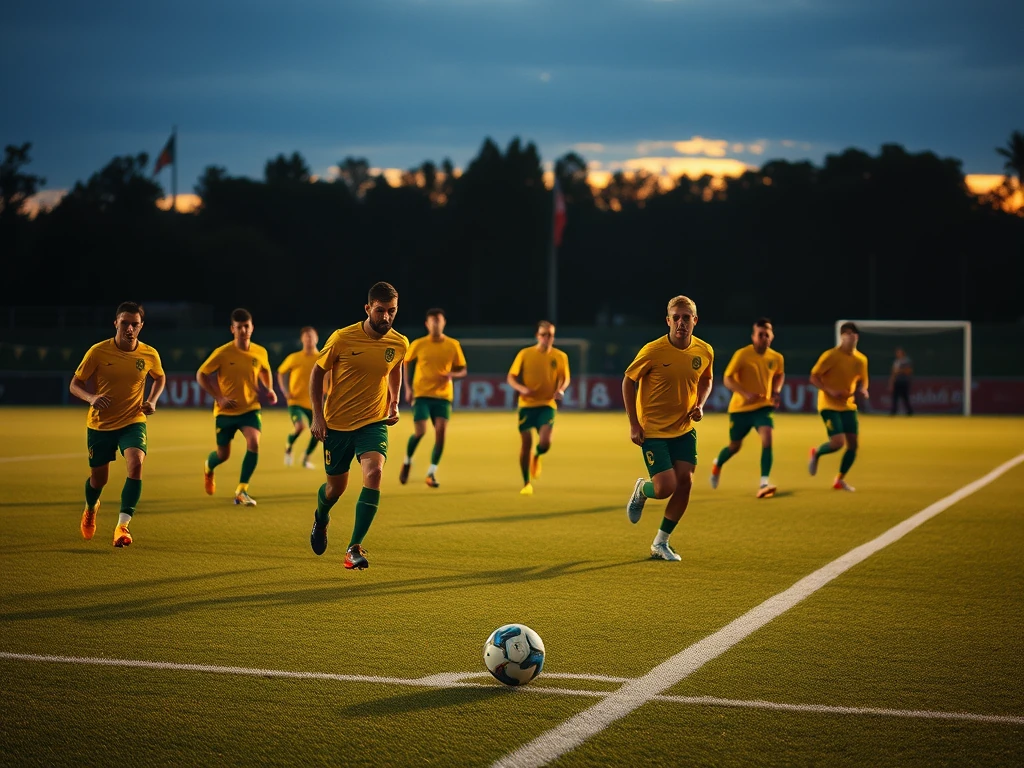
In recent matches, the Socceroos have predominantly employed a formation that leans towards a 4-2-3-1 setup, allowing for a balanced approach between defence and attack. This system has enabled Australia to maintain possession while also utilising their speed on the flanks. However, the effectiveness of this formation has been limited against more aggressive opponents who apply high pressure and compact their defensive lines.
Against teams that sit deep, the Socceroos have struggled to break through, often resulting in a lack of creativity in the final third. The forwards have been isolated at times, indicating that a shift to a more fluid attacking formation could yield better results.
Suggested Tactical Tweaks
1. Transition to a 4-3-3 Formation: Shifting to a 4-3-3 formation could provide Australia with the attacking width needed to stretch defences. This formation allows for three forwards who can interchange positions, creating confusion for defenders and opening up space for midfield runners. This adjustment would also enable the Socceroos to maintain a strong midfield presence, controlling the game and facilitating quicker transitions from defence to attack.
2. Utilising a False Nine: Incorporating a false nine could further enhance Australia’s fluidity in the attacking third. By having a forward drop deeper into midfield, it would create additional passing options and draw defenders out of position, enabling wingers to exploit the space behind. This tactical shift could be particularly effective given the pace and technical ability of players like Awer Mabil and Craig Goodwin.
3. Defensive Midfield Rotation: Another key adjustment could be finding the right balance in the midfield. Currently, the two holding midfielders often remain static, which limits the team's ability to press effectively. By rotating these players, it would not only strengthen defensive cover but also allow one of the midfielders to push forward, adding an extra dimension to the attack while maintaining defensive solidity.
4. Increased Full-Back Involvement: The role of full-backs in modern football is crucial, and for the Socceroos, leveraging the attacking capabilities of full-backs like Aziz Behich and Fran Karacic could provide vital width and crossing opportunities. Encouraging them to overlap the wingers and support attacking plays can stretch opposition defences, creating more chances in the penalty area.
Conclusion
As the Socceroos look ahead to the World Cup, these tactical tweaks could be instrumental in refining their game plan. By embracing a more dynamic attacking structure and enhancing midfield rotation, the team would not only improve their chances of breaking down stubborn defences but also harness the individual strengths of their players. The journey to the World Cup is filled with challenges, but with the right adjustments, the Socceroos can significantly bolster their prospects for success.