Optimizing the Socceroos' Tactical Approach for World Cup Success
As the Socceroos gear up for the FIFA World Cup 2026, their recent performances have raised both hopes and concerns among fans and analysts. While the team has showcased moments of brilliance, especially in attacking transitions, there are tactical nuances that could be tweaked to maximize their potential on football's biggest stage.
Recent Form and Tactical Observations
In their last few matches, the Socceroos have displayed a commendable willingness to press high up the pitch, making it difficult for opponents to build from the back. However, this aggressive approach has sometimes exposed their defensive line, particularly when the press is bypassed. The midfield, while industrious, has occasionally struggled to maintain possession against teams adept at quick ball movement. This has led to transitions that leave the backline vulnerable.
Suggested Formation Adjustments
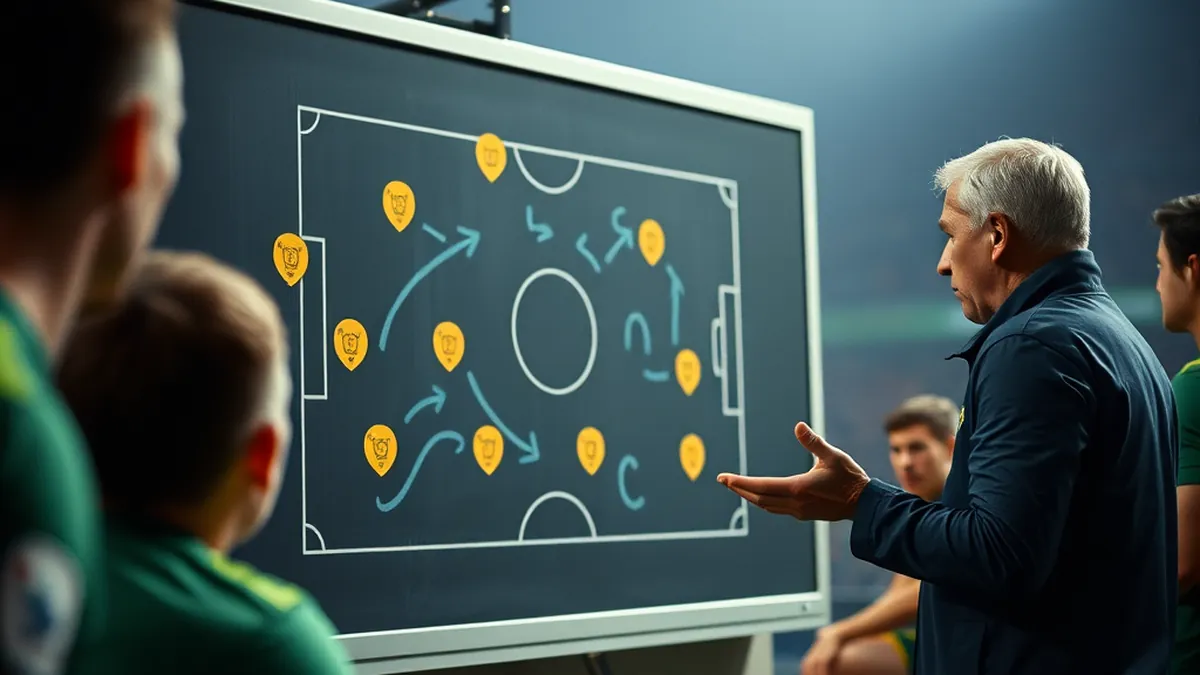
One potential adjustment could involve shifting to a 4-2-3-1 formation. This would provide additional stability in the midfield while still allowing for dynamic attacking play. By placing two holding midfielders in front of the defence, the Socceroos can better shield their backline and regain possession more effectively. This pairing could consist of experienced players who can read the game and break up opposition attacks while also possessing the technical ability to start counter-attacks.
Additionally, deploying a more advanced playmaker in the No. 10 role could enhance creativity in the final third. This player could link up play between the midfield and the forward line, providing the necessary service to strikers and wingers.
Player Roles and Responsibilities
The role of wide players will be crucial in this proposed system. Wingers should be encouraged to cut inside, allowing overlapping full-backs to provide width. This not only stretches the opposition defence but also creates space for central players to exploit. Players like A. Mabil and N. Irankunda could thrive in such a system, using their pace and dribbling skills to create goal-scoring opportunities.
In terms of defensive responsibilities, the Socceroos must improve their communication and cohesion. Central defenders need to work closely with the full-backs to ensure that they are not isolated against opposing wingers. Implementing a zonal marking system during set pieces could also reduce the chances of conceding goals, as it allows defenders to better manage their assignments.
Tactical Flexibility
Moreover, the Socceroos should embrace a more flexible tactical approach, allowing them to adapt mid-game based on the opponent's style and strengths. This flexibility can be facilitated by utilizing substitutions effectively, bringing in players who can change the tempo or provide fresh legs in critical moments.
By implementing these tactical adjustments, the Socceroos can look to solidify their defensive shape while enhancing their attacking threat. The combination of a robust midfield, dynamic wide play, and adaptable tactics could make all the difference in their World Cup campaign.
As the squad continues to prepare for the tournament, fine-tuning these strategies will be essential in ensuring that the Socceroos not only compete but thrive on the world stage. The journey ahead is challenging, but with the right tactical innovations, Australia’s beloved team can aim for glory.