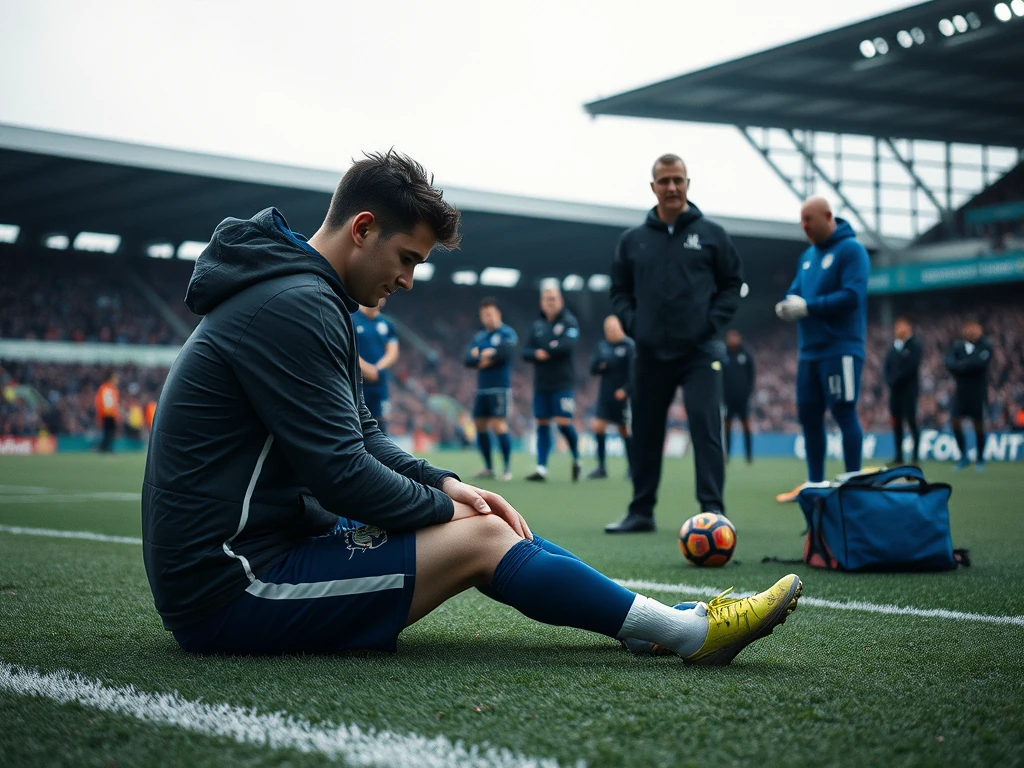

As the Socceroos gear up for the highly anticipated FIFA World Cup 2026, a critical blow has been dealt with the news that Riley McGree will miss the tournament due to injury. The absence of McGree, a key attacking player, not only alters the tactical landscape but also raises concerns about the squad's overall depth and adaptability in the face of adversity. With the tournament looming, fans and analysts alike are left to wonder how this will impact Australia's ambitions on the world stage.
McGree's Importance to the Socceroos
Riley McGree, who plays his club football for Middlesbrough in the EFL Championship, has been a pivotal part of the Socceroos’ setup since making his debut in 2018. Known for his technical skill and ability to create scoring opportunities, McGree's presence on the pitch has been instrumental in Australia's recent successes. He showcased his quality during the qualification campaign, contributing crucial goals and assists that helped Australia secure their place in the World Cup.
His versatility allows him to operate effectively in various attacking roles, whether as a winger or an attacking midfielder. This adaptability means that McGree's loss is not just about his goals but also about the dynamic he brings to the team’s attacking play. With a record of 9 goals in 30 appearances for Australia, his experience and skill are irreplaceable.
Tactical Implications of McGree's Absence
The tactical landscape for Australia is set to shift in McGree's absence. Coach Graham Arnold will need to reassess his strategies and possibly adjust his formation to compensate for the loss of such a creative player. Traditionally, the Socceroos have utilized a 4-2-3-1 formation, which relies heavily on the creativity of its attacking midfielders.
Without McGree, Arnold might be forced to integrate a less experienced player or adapt the formation altogether. Potential replacements like Ajdin Hrustic or Daniel Arzani could step in, but they lack McGree's blend of experience and skill. This situation demands a rethink of how Australia will penetrate opposing defenses, particularly against more formidable opponents in the group stage.
- Potential replacements for McGree include:
- Ajdin Hrustic
- Daniel Arzani
- Marco Tilio
- Riley McGree's club teammate, Sam Morsy
What this means for Australia
For fans, McGree's injury is a bitter pill to swallow. His absence not only diminishes hope for a successful campaign but also highlights the fragility of player fitness in high-stakes tournaments. Australia has prided itself on a strong team ethos, but the depth of quality is now being tested.
The Socceroos' attacking options look relatively thin, especially against teams with strong defensive structures. If they fail to adapt quickly, they could struggle to score goals and control matches-essential elements for advancing through the group stage.
Opposition Analysis: Who Can Step Up?
With McGree sidelined, the onus is now on the remaining squad members to rise to the occasion. Players like Martin Boyle and Mitchell Duke will need to step up their game and take on additional responsibilities in attack. Both players have experience on international platforms and will need to leverage that to maintain Australia's competitive edge.
Moreover, the midfield's role becomes even more crucial. Players such as Aaron Mooy and Jackson Irvine must not only provide stability but also contribute creatively. Their ability to link up with forwards will dictate how effective Australia can be in the final third.
Fan Reaction and Outlook
Fans have taken to social media to express their disappointment over McGree’s injury. Many view him as a crucial part of the Socceroos' attacking plans, and his absence has left a feeling of uncertainty. Supporters are hopeful that the remaining squad members can fill the void and deliver strong performances.
Amid the disappointment, there’s also a sense of resilience among the fans. Australia has faced adversity before, and the collective belief in the team’s spirit remains strong. The Socceroos have a history of stepping up in challenging situations, and supporters are keen to see how the team will respond.
Looking Ahead: The Road to the World Cup
The Socceroos face stiff competition in their World Cup group, including matches against traditional rivals like France and Denmark. With the tournament set to kick off on 21 November 2026, there’s little time for Arnold and his coaching staff to adapt their game plan.
In preparation for the World Cup, it’s crucial that Australia finds its rhythm quickly. The upcoming friendly matches will be vital for testing potential replacements and fine-tuning the tactical approach. The initial games will set the tone for the tournament, and every player will need to be at their best.
What's next
As the Socceroos move into the final stages of their preparations, the focus will be on ensuring the squad remains unified and mentally strong. The injury of Riley McGree is a setback, but it also presents an opportunity for other players to showcase their talents on the world stage.
Fans will be eagerly watching to see how Australia adapts to this challenge. The resilience and determination of the Socceroos will be tested, and the support from fans will be crucial as they embark on their World Cup journey.