Socceroos ride wave of youthful promise into Brazil clash
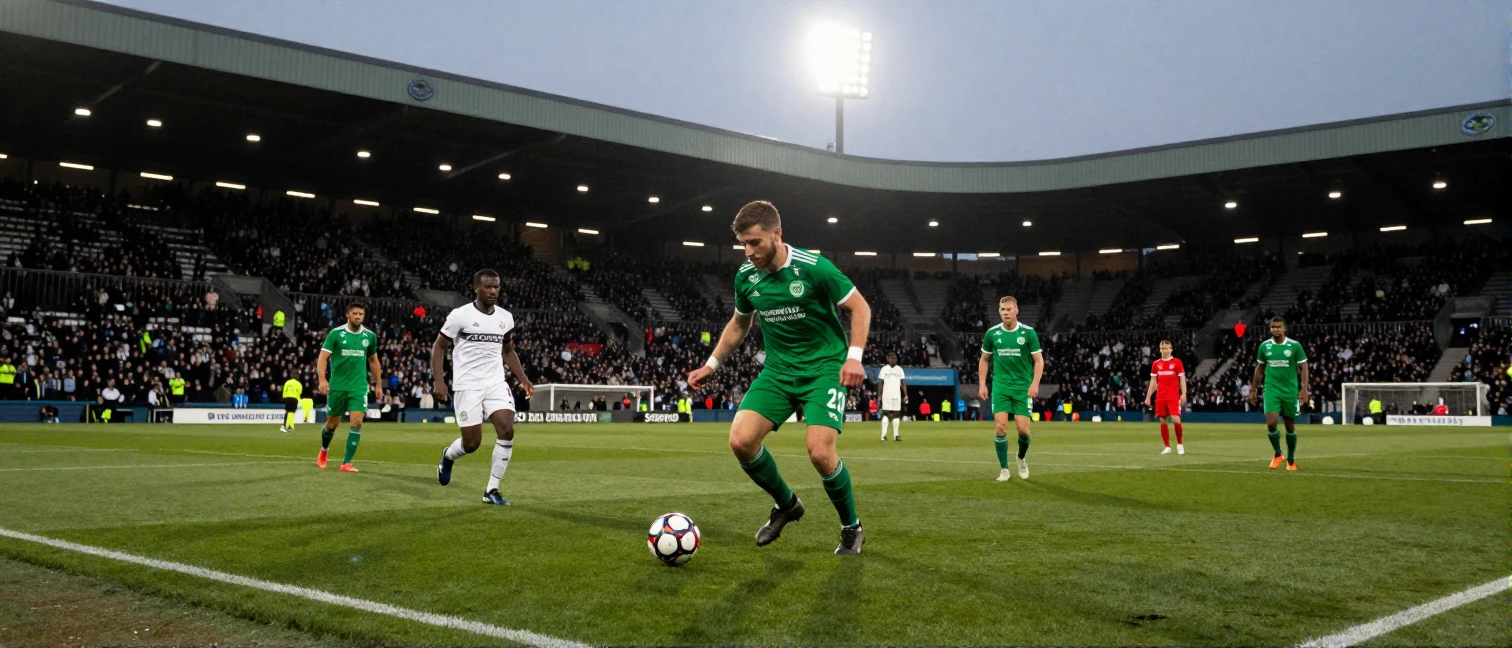
The Socceroos are riding a wave of youthful promise ahead of their home clash with Brazil on September 25, 2026. Last result: Australia 1-1 Egypt (2026-07-03), a draw that extended their recent form to 1 win, 3 draws, and 1 loss in five outings. The team’s counterattacking style under Tony Popovic has drawn praise, but the real story is the emerging talent in the ranks.
How Ange’s legacy shaped today’s Socceroos
Ange Postecoglou’s tenure from 2013 to 2017 left a lasting mark on Australian football. His high-pressing, possession-heavy approach inspired a generation, including the current crop. Postecoglou’s Australia pushed Chile and led the Netherlands in the 2014 World Cup, games watched at dawn by a young fanbase. That optimism never faded-it just evolved.
Postecoglou’s legacy lives on in the players he mentored, but the tactical shift under Popovic is clear. Where Postecoglou demanded control, Popovic thrives on defensive shape and well-timed counters. The result? A team that’s hard to break down and even harder to predict.
Meet the Socceroos’ next generation
Jordan Bos, a 23-year-old left-back from Melbourne, has turned heads in the Dutch top flight with his intelligence and intricate footwork. Vice-captain Jackson Irvine, playing for St. Pauli in Germany, brings political outspokenness and technical quality to the midfield. Then there’s Nestory Irankunda, the 20-year-old Adelaide prodigy at Watford, whose unteachable grace on the ball has fans dreaming of World Cup glory.
The pipeline isn’t just domestic. Cristian Volpato, a Sydney-born attacking midfielder with Italian heritage, recently switched allegiances to the Azzurri, a move that underscores Australia’s growing influence in European football. The Socceroos’ ability to nurture talent-and then lose it to rival nations-is a double-edged sword.
Why Popovic’s pragmatism could win Australia friends
Tony Popovic isn’t Ange Postecoglou. Where Postecoglou’s Australia played with flair and risk, Popovic’s side prioritizes structure. The 2026 Asian Cup-winning coach knows when to press and when to retreat. That balance could be the difference in a World Cup where every point counts.
The Socceroos’ recent form-1W-3D-1L-proves they’re no fluke. A draw with Egypt in July showed resilience, while the young legs of Bos, Irvine, and Irankunda suggest a ceiling yet to be reached. Popovic’s pragmatism might not win over purists, but it’s winning results.
What’s next for the Socceroos?
The next test comes on September 25, 2026, when Brazil visit Sydney. The Seleção arrive as favorites, but Australia’s counterattacking style could spring a surprise. The Socceroos’ recent run of form-1 win, 3 draws, 1 loss-suggests they’re peaking at the right time.
The real question isn’t just about the Brazil game. It’s whether this golden generation of young players can translate club form into World Cup success. With Irankunda’s flair, Bos’s composure, and Irvine’s leadership, the tools are there. The stage is set.