Introduction
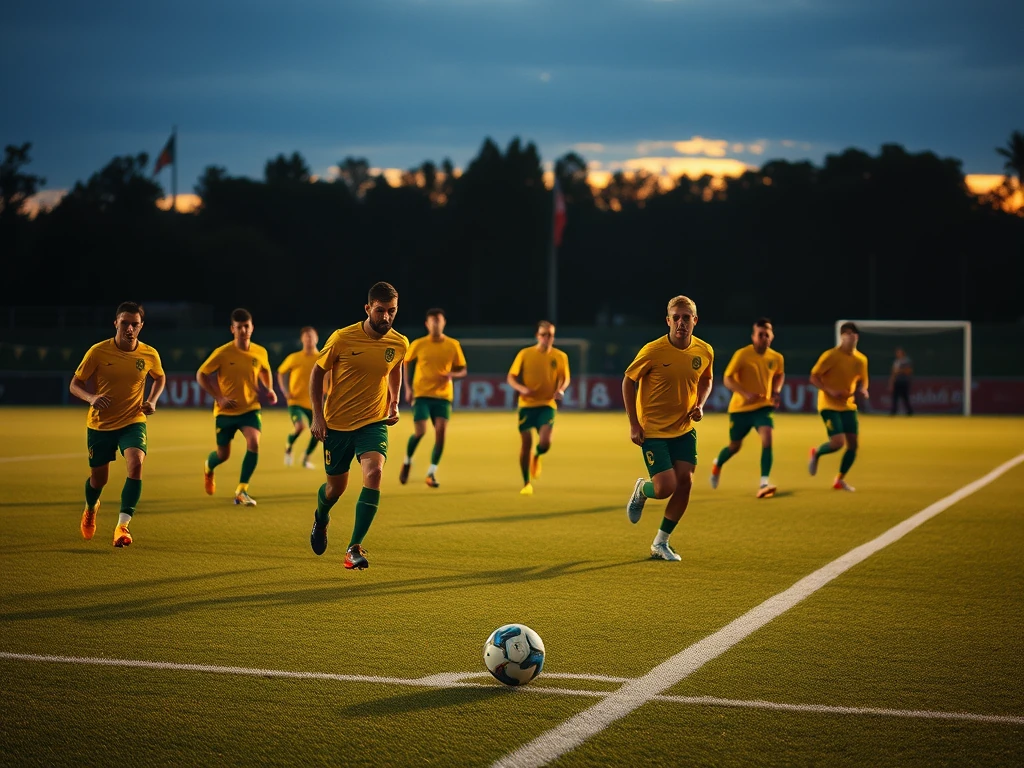
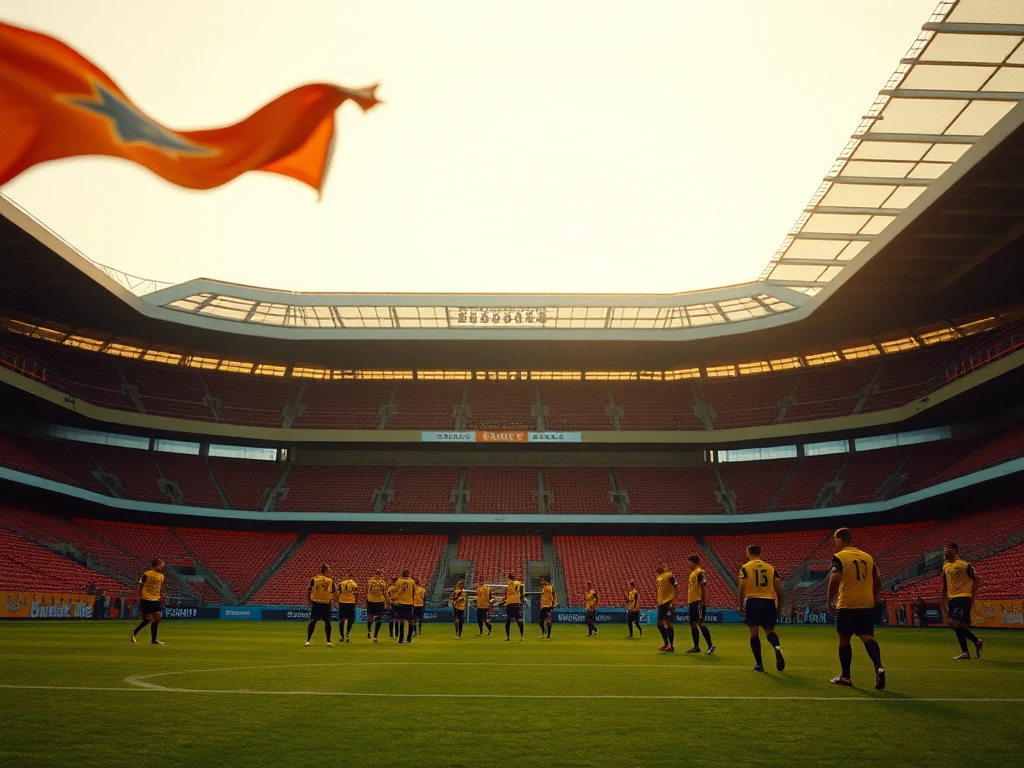
As the Socceroos gear up for the FIFA World Cup 2026, the team's recent form has prompted a closer examination of its tactical approach. While Australia has displayed resilience and determination, there are key areas where tactical tweaks could significantly elevate their performance and adaptability against diverse opponents.
Recent Form Analysis
In their latest outings, the Socceroos have shown a mix of promising play and occasional vulnerabilities. The defensive structure has often appeared solid, particularly with the likes of Milos Degenek and Kye Rowles forming a sturdy partnership at the back. However, the transition from defense to attack has sometimes been sluggish, leading to missed opportunities against teams that press high.
Midfield play has been another area of concern. While Jackson Irvine and Awer Mabil provide dynamism and energy, there has been a noticeable lack of creativity when it comes to breaking down organized defenses. This has resulted in a reliance on individual brilliance rather than cohesive team movement, which could be refined through tactical adjustments.
Suggested Tactical Tweaks
1. Enhanced Midfield Dynamics To address the creativity deficit in midfield, incorporating a more fluid attacking midfielder could be beneficial. A player like Marco Tilio, who possesses the ability to find pockets of space and deliver incisive passes, could be crucial in linking up play between the midfield and forward line. This would not only provide more options in attack but also help in retaining possession under pressure.
2. Flexible Formation While Australia has primarily utilized a 4-2-3-1 formation, experimenting with a 3-5-2 could offer an additional layer of tactical flexibility. This formation allows for greater control in midfield battles while providing width through wing-backs. With players like Fran Karacic and Nathaniel Atkinson capable of pushing forward, this could enhance the team's attacking threat without compromising defensive solidity.
3. High Press Implementation Another area for development is the implementation of a high press. Encouraging forwards and midfielders to engage defenders higher up the pitch can disrupt the opposition's build-up play and create turnovers in dangerous areas. This tactic will require excellent conditioning and communication among players, but the potential rewards in terms of scoring opportunities could be significant.
4. Set-Piece Specialization Given the importance of set-pieces in tight matches, dedicating training sessions to improve both attacking and defensive set-piece strategies is essential. By developing specific routines and ensuring players understand their roles, the Socceroos could capitalize on scoring opportunities while minimizing threats from opponents.
Conclusion
As the Socceroos prepare for the challenges ahead in the FIFA World Cup 2026, embracing these tactical adjustments can provide a pathway to improved performance. With a blend of strategic innovation and the existing talent pool, Australia has the potential to make a significant impact on the world stage. The upcoming fixtures will serve as a crucial testing ground for these changes, and fans will eagerly await to see how the team evolves in its quest for success.